
SPOILER ALERT!
Terrific Advice For A Brighter Smile Today
Created by-Robles Nymann
Do wish you could learn more about caring properly for your teeth prior to dentist visits? Do you want to know how to care for your teeth between dental visits? If you answered "yes," then this article is for you.
You should always try to brush your teeth at least two times a day. When you are brushing, make sure that you are taking your time. You want to ensure that you're doing a thorough job each time that you brush. By rushing through the process, your teeth may not be getting as clean as they need to be.
mouse click the following post to prevent tooth decay. When you brush, make sure to massage the gums with your toothbrush and to keep brushing for at least two minutes. Dentists recommend two minutes as a minimum amount of time to brush if you want health teeth and gums.
While flossing is very important, make sure you do it gently. If you floss too hard, you can cause gum pain, irritation, swelling, and bleeding to occur. To get https://writeablog.net/ling1omer/brush-up-on-your-dental-care-expertise of plaque without harming your mouth, gently slide the floss back and forth in between your teeth. Follow the curves of each tooth in an up and down motion.
See your dentist regularly for the best in oral hygiene. You'll reduce the risk of serious issues if you keep up with your dental check ups. Your dentist will be able to remove plaque and tartar and will detect issues before they get any worse.
Try your best to stop using tobacco products. Most people are not aware that smoking can cause gum disease, which leads to tooth loss in many. If you want to raise the chances of your teeth lasting much longer, try your best to get rid of your addiction to tobacco products.
If you know you won't be able to brush your teeth after a meal, try and eat foods that can act as temporary substitutes. Things like apples and celery are good for you and will act as gentle abrasion tools as you chew, cleaning the surfaces and even reaching between teeth to remove particles of food.
If you are. A person who grinds your teeth at night, consider Botox injections. One dentists use a small amount of Botox injected into the jaw to relax the muscles and bring a stop to stress related grinding. Wile this method is usually effective, it will need to be repeated about once every three months.
Find a good health insurance with dental protection. The best plans will cover all your visits to the dentist, including two check-ups a year to get your teeth cleaned and inspected. If you can afford to, get a comprehensive policy for your entire family. Talk to your employer about benefits too.
Don't drink a lot of soft drinks. That's because sodas are loaded with acid. It is well-known to discolor the teeth and destroy the enamel. If you still want to drink soda, there are a few precautions you can take. If you must drink soda, use a straw. You should also brush right after you drink and then rinse thoroughly with water.
Be careful about the advice that you follow. One myth is that you should brush immediately after consuming oranges, tomato sauce and other acidic foods. Brushing right after consuming any acidic foods can soften and damage enamel. Just rinsing your mouth with clean water and chewing some sugarless gum is plenty.
Think about switching up to an electronic toothbrush if you have not already. These devices are increasingly recommended by dental professionals. The reason for this is the strong performance they offer compared to manual brushing. Electric toothbrushes are able to cup around teeth and work faster. They also do a better job of cleaning the specific sites that bacteria and plaque tend to accumulate in.
Bush at least twice a day to keep cavities at bay. It's especially crucial after eating and essential before going to bed. Brushing helps remove bacteria from your mouth.
Keep an eye on how clean your toothbrush is. Throw it out or change the head on an electric one about every two to three months. After using a brush a while, the brush will collect bacteria and food, and some will get stuck deep within the bristles. If you don't change it out, you are just transferring all of that back onto your teeth.
If you have a serious fear of the dentist and conventional methods won't work, you might want to consider taking some sort of medication. Your dentist can give you anti-anxiety medication or nitrous oxide which will make the entire dentist visit a whole lot easier. Just make sure that you don't have any adverse reactions to the medications.
Ask your dentist is a layer of fluoride would be a good option for you. Fluoride can improve the health of your teeth, but for some people it can be detrimental. Your dentist is the best person to make this decision for you, but if they have not brought it up you should.
If you have problems with your teeth, you may want to know your insurance coverage before jumping right into procedures. With most insurance, you have a limit on how much they will pay in one year. If you have a limit, let your dentist know so that a plan can be created to ensure that your more serious problems get taken care of first.
Floss you teeth often. Even if you cannot find the time to brush your teeth, your mouth can benefit from flossing. Use a gentle sawing motion between each tooth. You should not do it so hard that you hurt your gums, but it should be hard enough to remove any debris between teeth.
If you are teaching your child to brush his teeth, give him a sand timer that is timed for two minutes. The child can brush until the sand runs out. This will make it more enjoyable for your child to brush, while giving you an easy way to keep track of his brushing time.
The more you know about dental care, the easier you'll find it to incorporate positive new habits into your current regimen. What do you have to lose from neglecting your mouth? Quite browse this site , actually--gum tissue, bone strength, and teeth. What do you have to gain from using these tips? Try fresh breath, improved oral health, and a whiter, brighter smile.
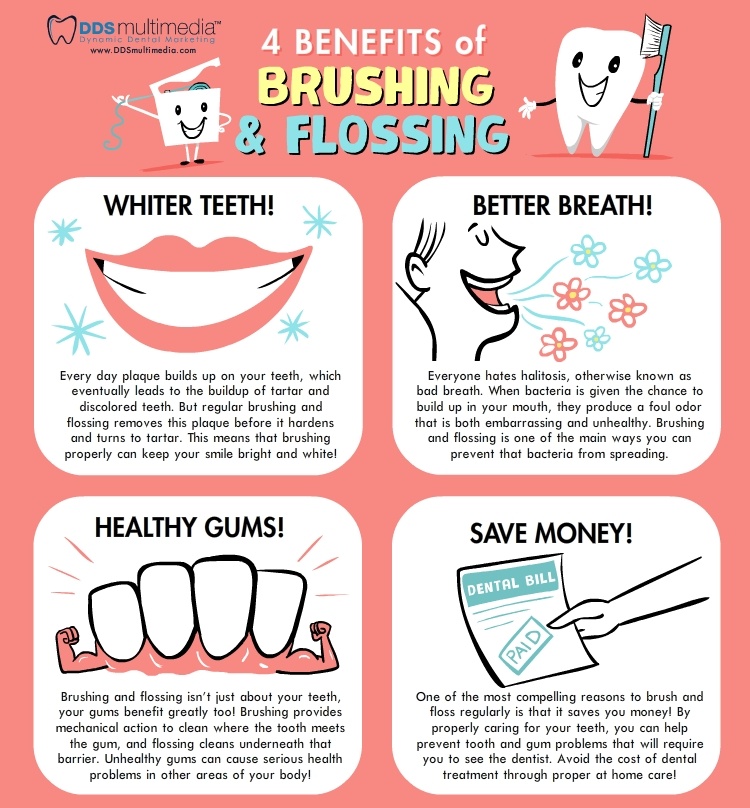
Do wish you could learn more about caring properly for your teeth prior to dentist visits? Do you want to know how to care for your teeth between dental visits? If you answered "yes," then this article is for you.
You should always try to brush your teeth at least two times a day. When you are brushing, make sure that you are taking your time. You want to ensure that you're doing a thorough job each time that you brush. By rushing through the process, your teeth may not be getting as clean as they need to be.
mouse click the following post to prevent tooth decay. When you brush, make sure to massage the gums with your toothbrush and to keep brushing for at least two minutes. Dentists recommend two minutes as a minimum amount of time to brush if you want health teeth and gums.
While flossing is very important, make sure you do it gently. If you floss too hard, you can cause gum pain, irritation, swelling, and bleeding to occur. To get https://writeablog.net/ling1omer/brush-up-on-your-dental-care-expertise of plaque without harming your mouth, gently slide the floss back and forth in between your teeth. Follow the curves of each tooth in an up and down motion.
See your dentist regularly for the best in oral hygiene. You'll reduce the risk of serious issues if you keep up with your dental check ups. Your dentist will be able to remove plaque and tartar and will detect issues before they get any worse.
Try your best to stop using tobacco products. Most people are not aware that smoking can cause gum disease, which leads to tooth loss in many. If you want to raise the chances of your teeth lasting much longer, try your best to get rid of your addiction to tobacco products.
If you know you won't be able to brush your teeth after a meal, try and eat foods that can act as temporary substitutes. Things like apples and celery are good for you and will act as gentle abrasion tools as you chew, cleaning the surfaces and even reaching between teeth to remove particles of food.
If you are. A person who grinds your teeth at night, consider Botox injections. One dentists use a small amount of Botox injected into the jaw to relax the muscles and bring a stop to stress related grinding. Wile this method is usually effective, it will need to be repeated about once every three months.
Find a good health insurance with dental protection. The best plans will cover all your visits to the dentist, including two check-ups a year to get your teeth cleaned and inspected. If you can afford to, get a comprehensive policy for your entire family. Talk to your employer about benefits too.
Don't drink a lot of soft drinks. That's because sodas are loaded with acid. It is well-known to discolor the teeth and destroy the enamel. If you still want to drink soda, there are a few precautions you can take. If you must drink soda, use a straw. You should also brush right after you drink and then rinse thoroughly with water.
Be careful about the advice that you follow. One myth is that you should brush immediately after consuming oranges, tomato sauce and other acidic foods. Brushing right after consuming any acidic foods can soften and damage enamel. Just rinsing your mouth with clean water and chewing some sugarless gum is plenty.
Think about switching up to an electronic toothbrush if you have not already. These devices are increasingly recommended by dental professionals. The reason for this is the strong performance they offer compared to manual brushing. Electric toothbrushes are able to cup around teeth and work faster. They also do a better job of cleaning the specific sites that bacteria and plaque tend to accumulate in.
Bush at least twice a day to keep cavities at bay. It's especially crucial after eating and essential before going to bed. Brushing helps remove bacteria from your mouth.
Keep an eye on how clean your toothbrush is. Throw it out or change the head on an electric one about every two to three months. After using a brush a while, the brush will collect bacteria and food, and some will get stuck deep within the bristles. If you don't change it out, you are just transferring all of that back onto your teeth.
If you have a serious fear of the dentist and conventional methods won't work, you might want to consider taking some sort of medication. Your dentist can give you anti-anxiety medication or nitrous oxide which will make the entire dentist visit a whole lot easier. Just make sure that you don't have any adverse reactions to the medications.
Ask your dentist is a layer of fluoride would be a good option for you. Fluoride can improve the health of your teeth, but for some people it can be detrimental. Your dentist is the best person to make this decision for you, but if they have not brought it up you should.
If you have problems with your teeth, you may want to know your insurance coverage before jumping right into procedures. With most insurance, you have a limit on how much they will pay in one year. If you have a limit, let your dentist know so that a plan can be created to ensure that your more serious problems get taken care of first.
Floss you teeth often. Even if you cannot find the time to brush your teeth, your mouth can benefit from flossing. Use a gentle sawing motion between each tooth. You should not do it so hard that you hurt your gums, but it should be hard enough to remove any debris between teeth.
If you are teaching your child to brush his teeth, give him a sand timer that is timed for two minutes. The child can brush until the sand runs out. This will make it more enjoyable for your child to brush, while giving you an easy way to keep track of his brushing time.
The more you know about dental care, the easier you'll find it to incorporate positive new habits into your current regimen. What do you have to lose from neglecting your mouth? Quite browse this site , actually--gum tissue, bone strength, and teeth. What do you have to gain from using these tips? Try fresh breath, improved oral health, and a whiter, brighter smile.
